The Silhouette
Architectural · Structured · Commanding
The Shark of Wall Street · Dossier
Zoya Thorne — One Police Plaza — Origins: Classified
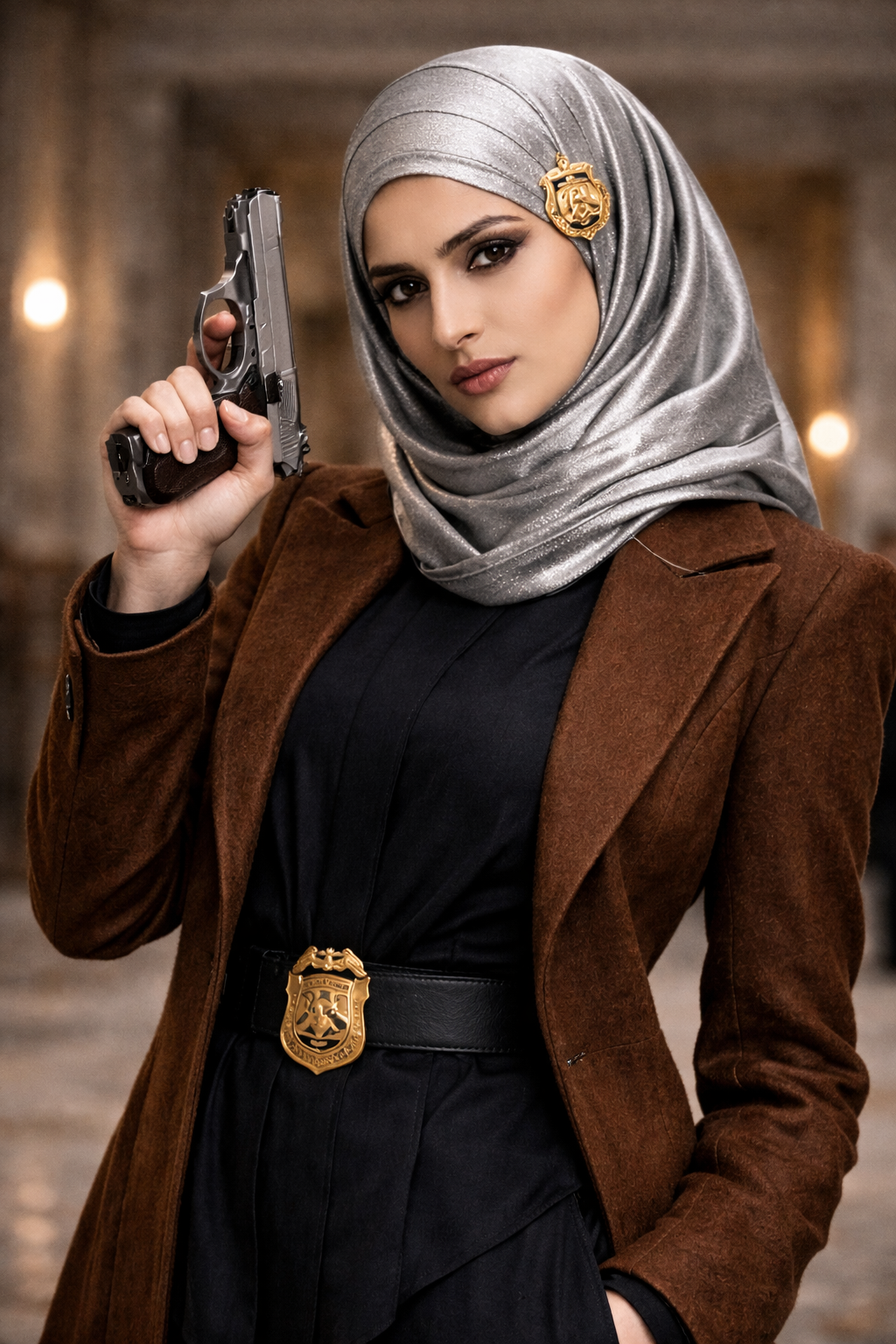
The office was a fortress of glass and steel, overlooking the Brooklyn Bridge. The city lights were a sprawling grid of gold and black, but Commissioner Zoya Thorne wasn’t looking at the view.
She was standing by the window, adjusting her leather gloves. She didn’t wear a uniform. She didn’t wear a pantsuit.
She wore a bespoke floor-length coat, tailored so sharply it looked like armor. Beneath it, a high-necked tunic and wide-leg trousers that flowed like liquid darkness.
Her head was covered in a shimmering silver silk hijab, wrapped with the architectural precision of a crown. It framed a face that was striking, composed, and terrifyingly calm. It was pinned at the temple with a single piece of jewelry: a miniature Gold Commissioner’s Shield.
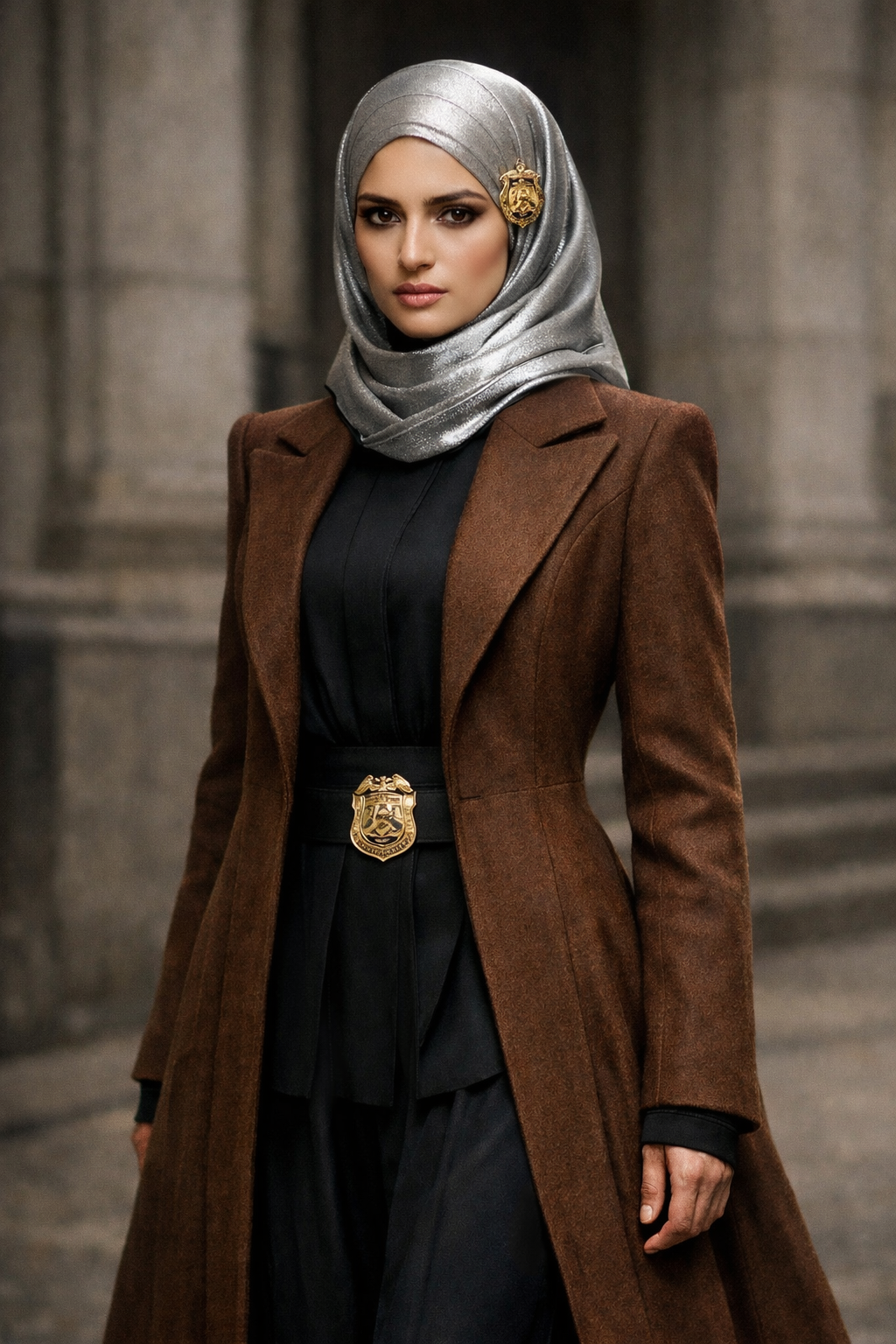
She didn’t look like a cop. She looked like the person who owned the cops.
Most people in New York thought she was a diversity hire. A political appointee with a law degree. They saw the silk and the jewels and assumed she was soft. They didn’t know about the checkpoint.
25 Years Ago. The heat was a physical weight. It smelled of diesel fumes, unwashed bodies, and fear.
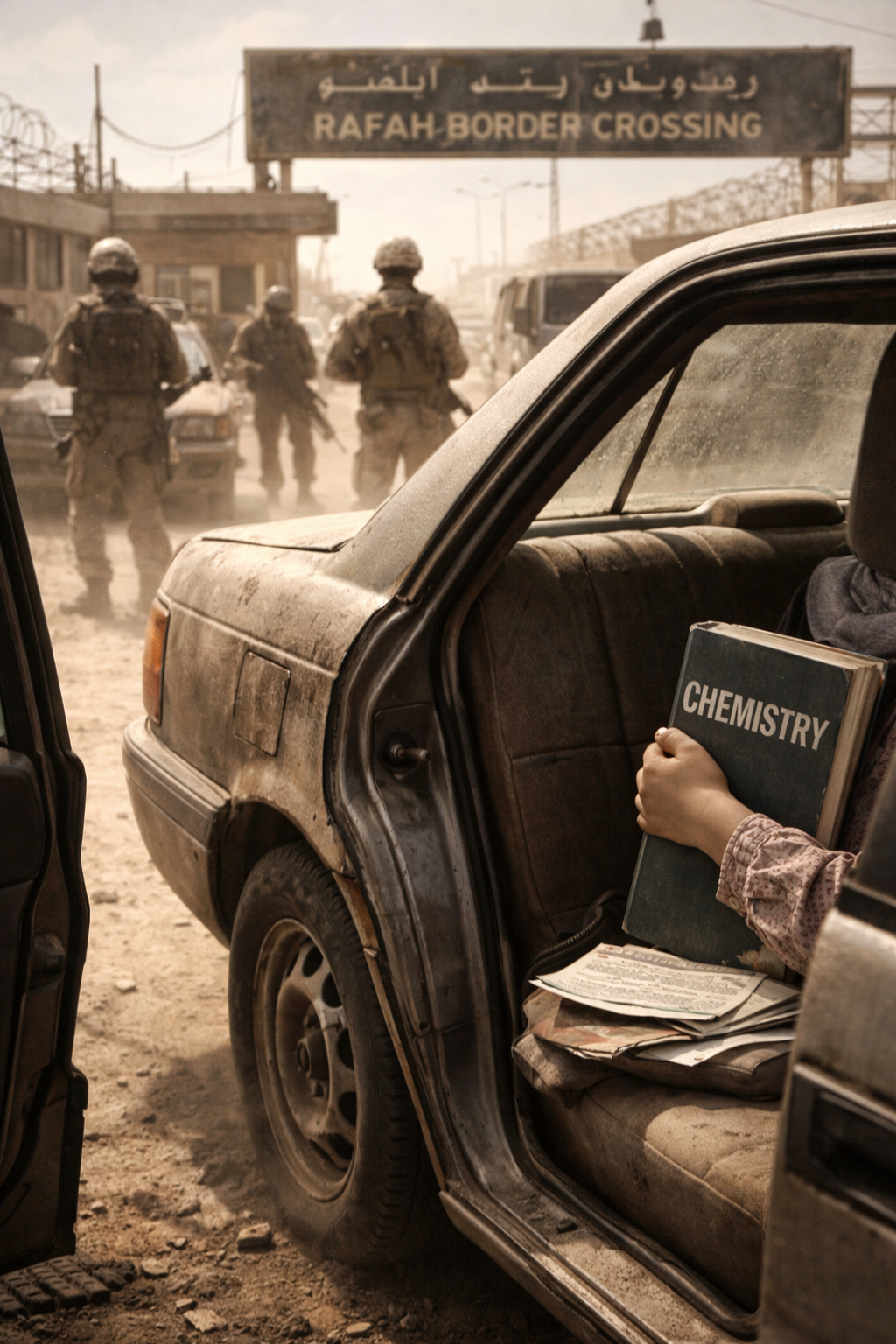
Zoya was fourteen years old. She was sitting in the back of her father’s battered sedan, clutching a chemistry textbook to her chest. They were trying to leave. Her father had papers — visas for Canada — but papers in a war zone are just ink on wood pulp.
They were stopped at the final checkpoint. Three soldiers approached the car. They were young, bored, and sweating under their body armor. The “Occupying Force.” They didn’t see a family; they saw potential threats.
“Out,” the lead soldier barked, kicking the door.
Her father, a soft-spoken pharmacist, stepped out with his hands up. “Please. We have permission. My daughter—”
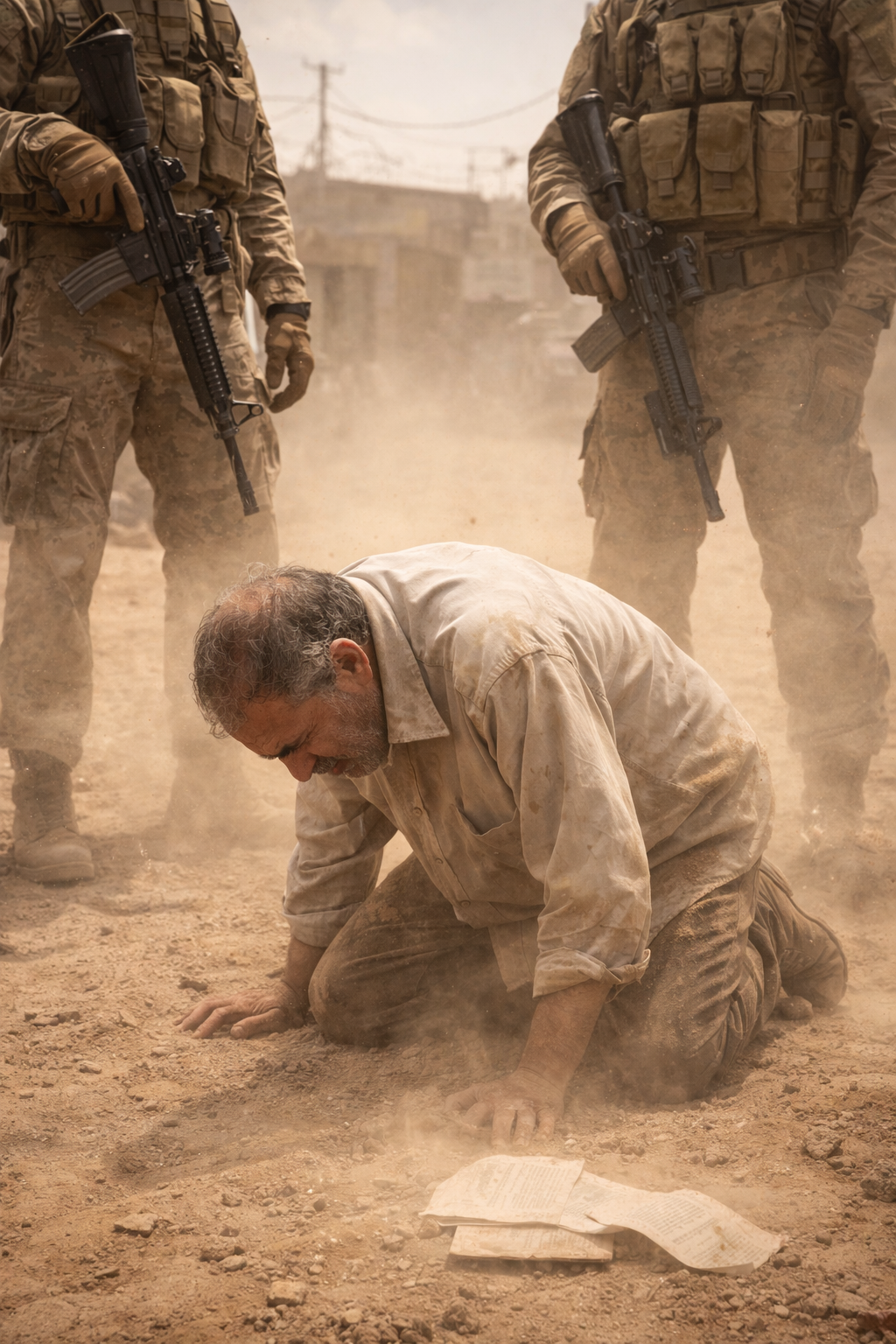
The butt of a rifle slammed into his stomach. He went down, gasping in the dust.
Zoya froze. Her mother screamed — a high, piercing sound — and scrambled out of the car to shield her husband. That was the mistake. The second soldier grabbed her mother by the hijab, yanking her back. The fabric tore. Her mother fell hard, scraping her face on the asphalt. The soldier laughed. He raised his boot to pin her down.
The world went silent for Zoya.
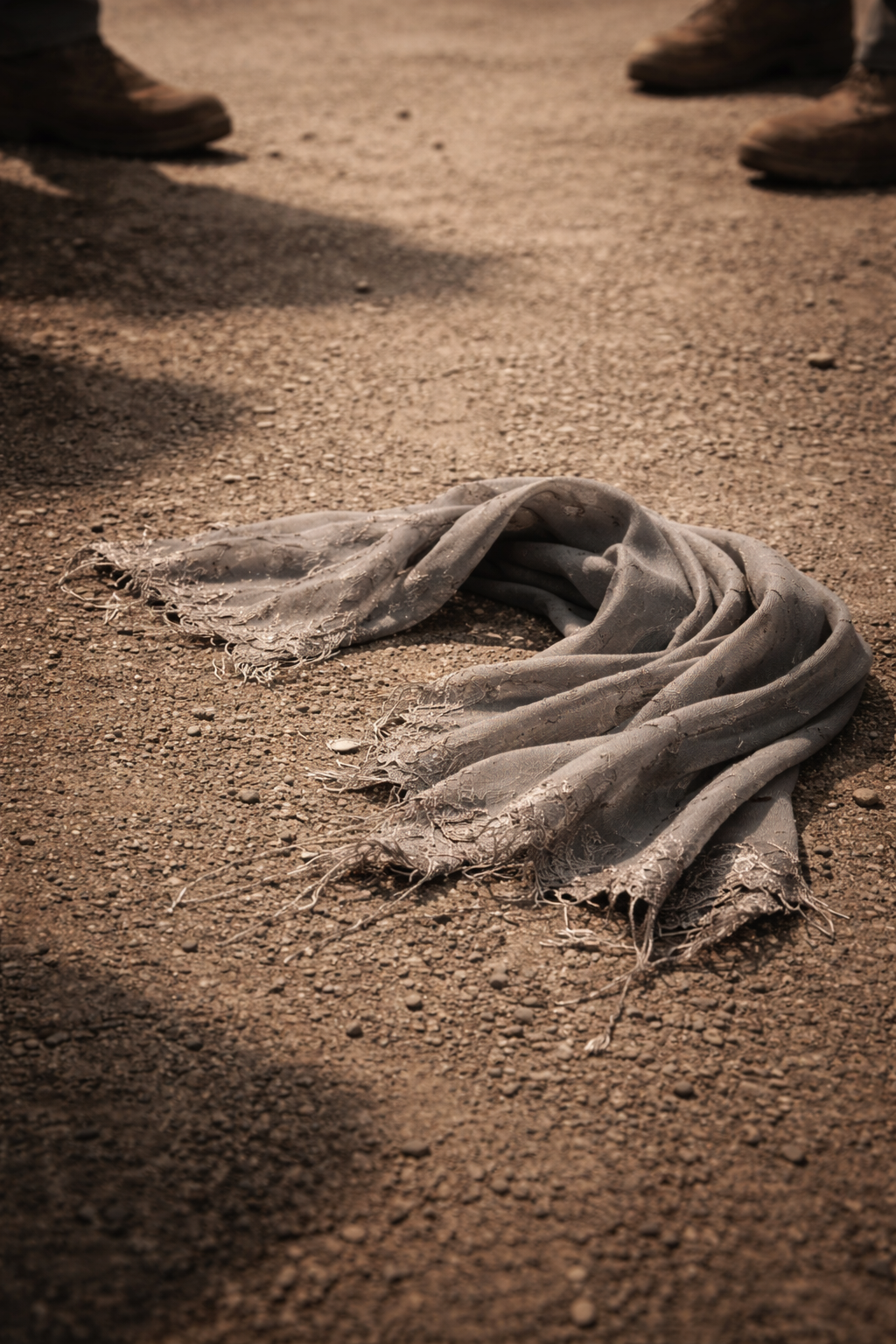
She didn’t think. She didn’t calculate. The chemistry textbook dropped from her hands. She saw the third soldier standing by the open rear door, distracted, looking at her mother on the ground. His holster was unbuttoned.
Zoya lunged. It wasn’t bravery. It was pure, reptilian survival. She lunged through the open window, her small hand gripping the handle of the soldier’s sidearm. She didn’t know how to release the safety, but the soldier had already done it. She ripped the gun free. It was heavy, slick with oil.
The soldier turned, eyes wide with shock. “Hey—”
BANG.
The recoil nearly broke her wrist. The bullet took him in the throat.
The other two soldiers spun around, weapons raising. Zoya didn’t hesitate. She didn’t tremble. She was possessed by a cold, white clarity.
BANG. The soldier kicking her father dropped.
BANG. The soldier holding her mother stumbled back, clutching his chest.
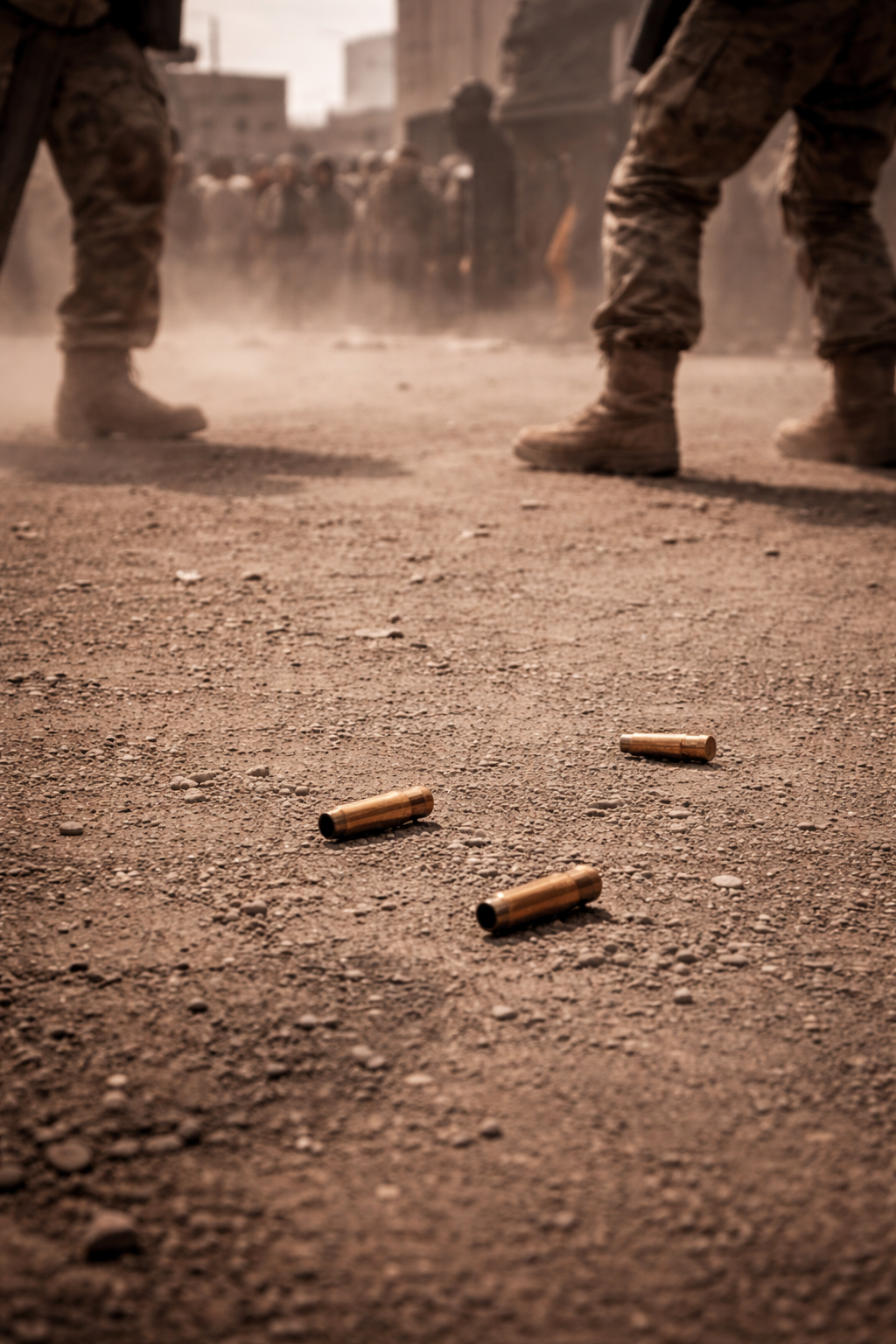
Three shots. Three seconds.
She sat in the back, the smoking gun still in her hand. She realized then that the law hadn’t saved her mother. The visa hadn’t saved her father. The gun had saved them.
They didn’t stay in the refugee camp. The community knew that the girl who shot three soldiers was a walking target. She was a hero to them, but a liability to the peace.
The “Reward” wasn’t a medal. It was an exit strategy.
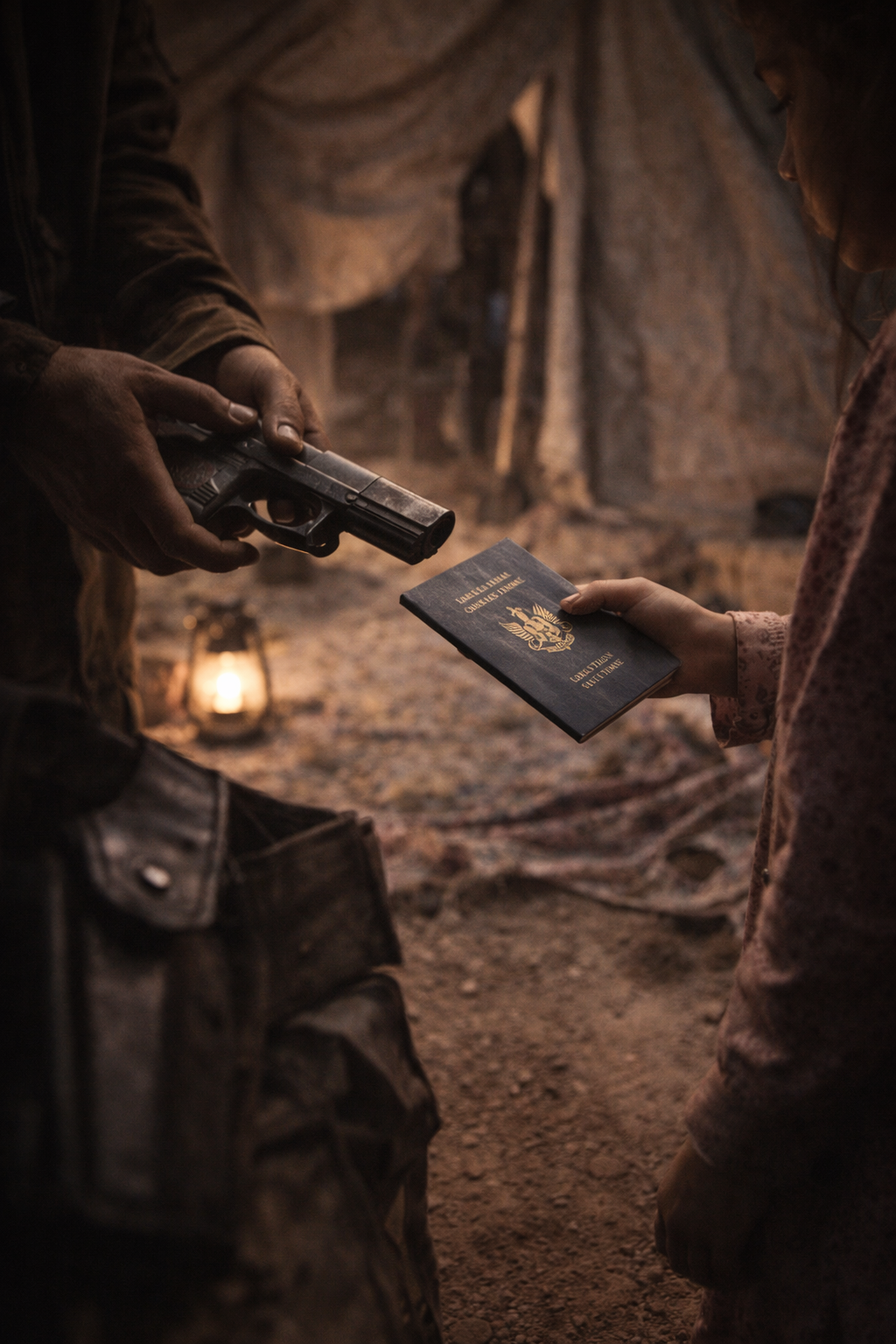
A local community leader — a man with connections to the underground railroad of the Middle East — came to their tent that night. He took the gun from Zoya. He gave her a new passport.
“You have a fire in you, child,” the old man said. “Do not let it burn you down. Let it forge you.”
The community pooled their money — gold wedding rings, hidden cash — to buy her passage. Not just to safety, but to America.
Zoya arrived in New York City with nothing but scars and a terrifying drive. She didn’t want to be a soldier. Soldiers took orders. She wanted to be the one giving them.

She attacked her studies with the same ferocity she used at the checkpoint. She learned English in six months. She graduated top of her class at Columbia Law on a hardship scholarship.
She joined the District Attorney’s office. She became known as “The Butcher of the Bronx.” She didn’t care about sob stories. She hated chaos. To her, every criminal was just another soldier at the checkpoint trying to hurt the innocent.
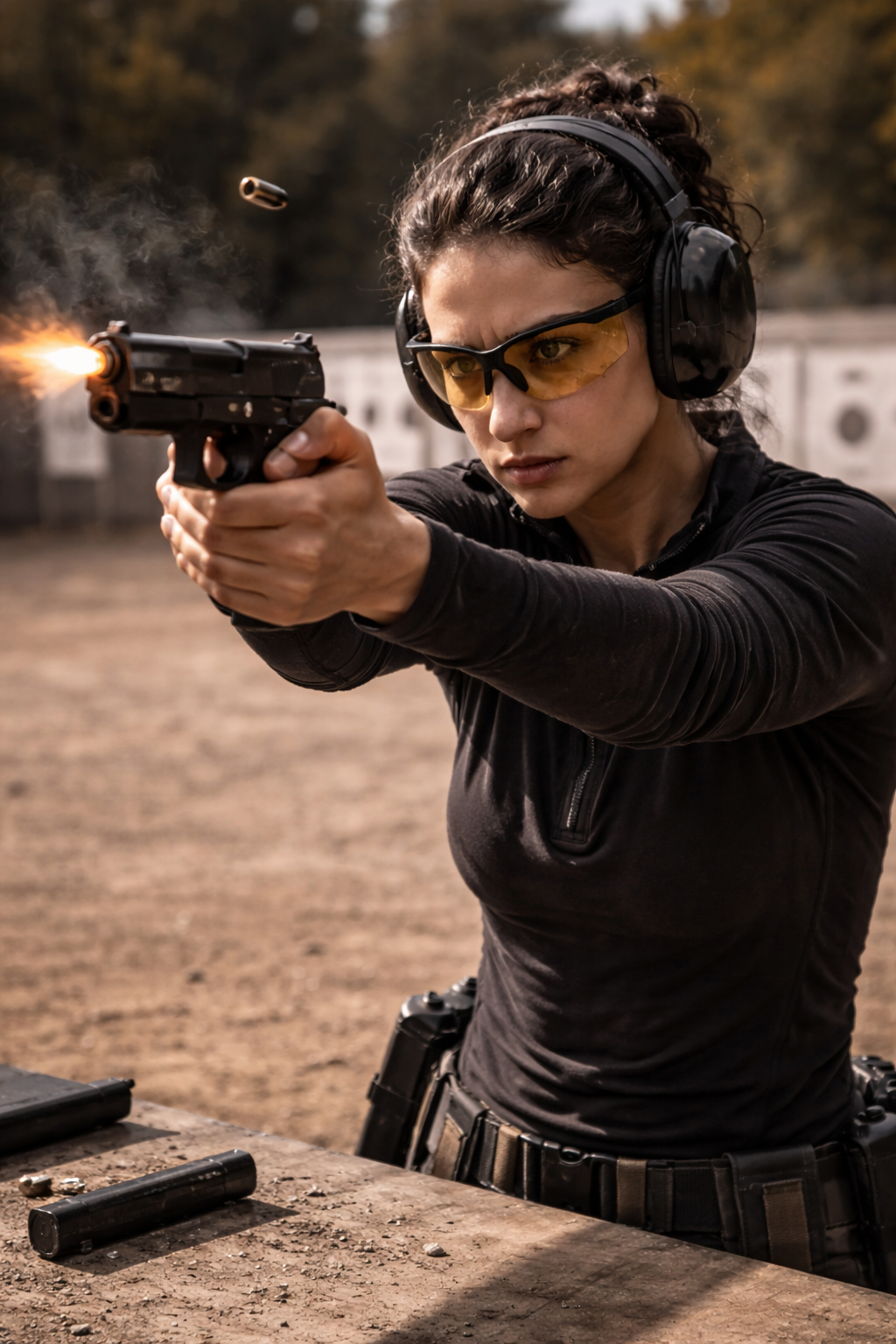
While her colleagues played golf, Zoya spent her weekends at tactical ranges. She hired ex-Mossad and ex-SEAL instructors. She wasn’t training for sport. She was training so that if she ever had to pull a trigger again, she wouldn’t break her wrist. She mastered the Sig Sauer. She mastered the art of shooting without blinking.
When the city was on the brink of collapse, the Mayor didn’t need a politician. He needed a warlord. He appointed Zoya.
Now, she sits in One Police Plaza. But in her mind, she is still that 14-year-old girl in the dust. And she promised herself that no one would ever put a boot on her neck again.
Zoya turned away from the window of her office. The memory faded, replaced by the cold reality of New York.
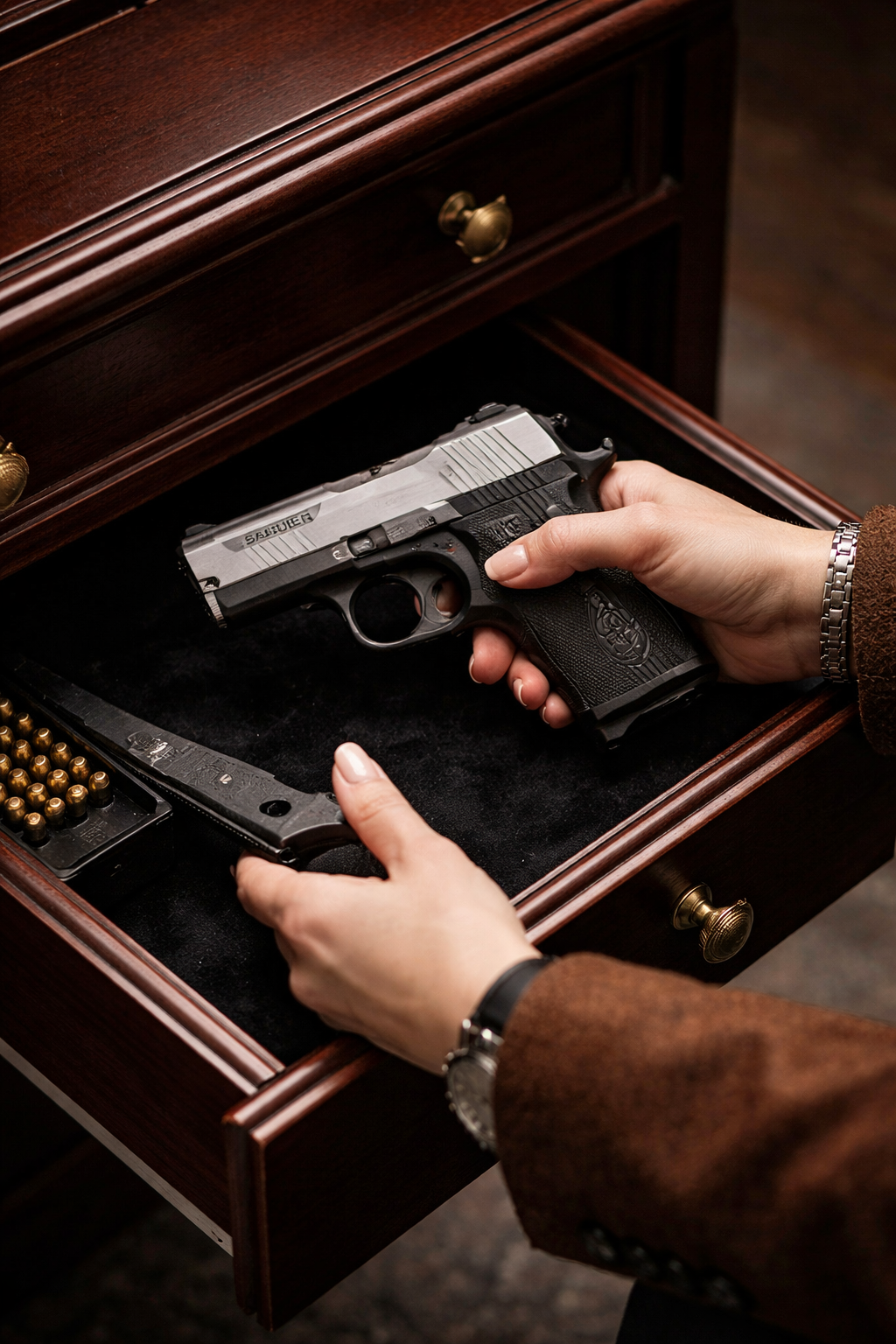
She walked to her desk and opened the bottom drawer. Inside, resting on velvet, was the Sig Sauer P238. Engraved with floral arabesque patterns. Pearl grips.
She checked the chamber. Loaded.
She slid the weapon into the hidden pocket of her midnight-blue coat. It added exactly 15 ounces to her weight.
15 Ounces of “No.”
She buttoned her coat, checked her hijab in the reflection of the window, and prepared to face the city.
Modest High-Fashion · Power · Authority